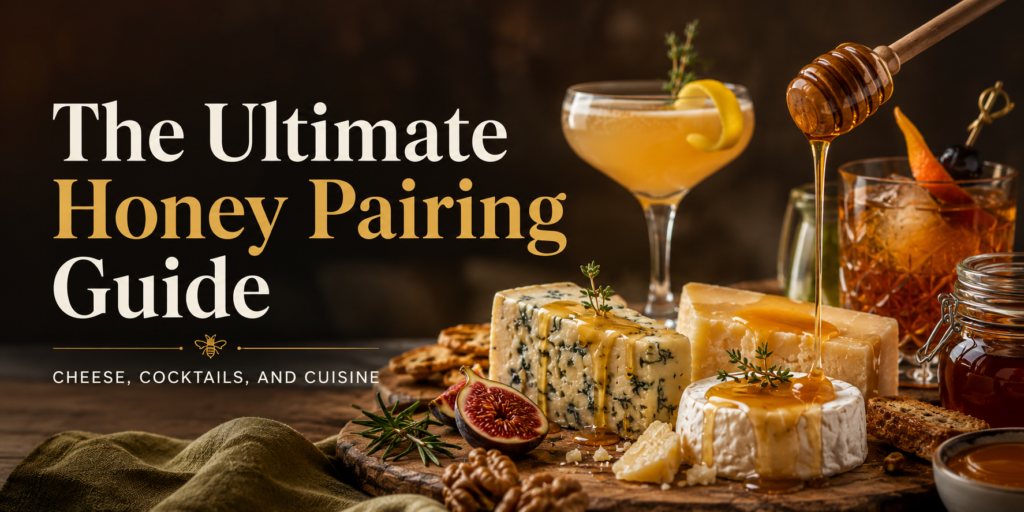

Why Honey Is the Next Big Ingredient in the F&B Industry
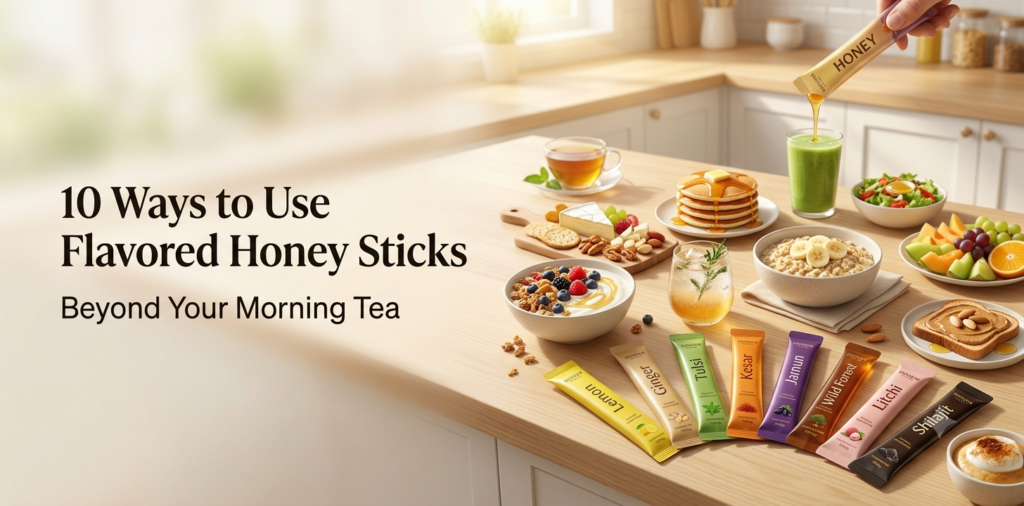
If you have been paying attention to what is happening in the food and beverage world lately, you have probably noticed something interesting. Honey keeps showing up everywhere. It is in craft cocktails, artisan breads, wellness shots, gourmet sauces, protein bars, and even premium skincare-inspired food products. What was once considered a humble kitchen staple is now being treated like a premium ingredient with serious commercial potential.And honestly, it makes complete sense.India’s food and beverage industry is at a fascinating turning point right now. Consumers are reading labels. They are asking where their ingredients come from. They want things that taste good but also do something good for their body. Honey ticks all those boxes in a way very few natural ingredients can.So what is driving this shift? And more importantly, what does it mean for brands, restaurants, food startups, and retailers operating across India? Let us get into it. The Indian Consumer Has Changed This is really where the story starts.A few years ago, the average Indian consumer was not particularly concerned about the difference between refined sugar and natural honey. Sweet was sweet. But that mindset has shifted significantly, especially post-2020. Health awareness has shot up. People started questioning ultra-processed foods. And they started gravitating toward ingredients that feel natural, traceable, and purposeful.Honey fits perfectly into this new consumer behaviour. It is natural by definition. It has a centuries-old association with Ayurveda and traditional wellness. And it comes with a story, whether that is the flower it was sourced from, the region it came from, or the way it was harvested. In a market where storytelling is everything, honey gives brands a lot to work with.What is also interesting is that this change is not limited to metro cities anymore. Tier 2 and Tier 3 markets are seeing growing demand for health-forward products too. That makes honey an ingredient with genuinely pan-India commercial relevance right now. Why the F&B Industry Is Taking Honey Seriously It is not just health trends pushing honey into the spotlight. There are several practical reasons why food and beverage businesses are increasingly replacing or supplementing traditional sweeteners with honey. It does more than just sweeten. Sugar adds sweetness and that is pretty much it. Honey adds sweetness, yes, but it also brings depth of flavour, aroma, a slight floral or earthy note depending on the variety, and a natural complexity that refined sugar simply cannot match. For premium food products where flavour layering matters, honey is a far more interesting ingredient to work with. It has a health halo that actually holds up. The term “health halo” is sometimes used sceptically in marketing circles, but with honey the claims are grounded. Raw and pure honey contains antioxidants, has natural antimicrobial properties, and supports digestion. When a brand can say their product is sweetened with natural honey rather than refined sugar or high fructose corn syrup, that is a meaningful claim that resonates with today’s buyers. It works across categories. This is the part that surprises a lot of people. Honey is not just for teas and spreads anymore. It is being used in salad dressings, marinades, baked goods, protein bars, granola, flavoured yoghurts, smoothie blends, cold press juices, cocktail mixers, and even savoury products like honey-glazed snacks and dipping sauces. The ingredient versatility is genuinely remarkable. Premium positioning becomes easier. When a food brand wants to move upmarket, ingredient upgrades are one of the fastest ways to do it. Swapping refined sugar for pure, single-origin, or infused honey instantly elevates a product’s perceived value. Consumers are willing to pay more for that, which improves margins. The Rise of Functional Honey in F&B One of the most exciting developments in this space is the rise of functional honey. This goes beyond regular honey and into territory where specific ingredients are infused or blended to create honey with targeted wellness benefits. Think Tulsi honey for immunity and respiratory support. Ginger honey for digestion and sore throats. Turmeric honey for its anti-inflammatory properties. Kesar (Saffron) honey for mood and skin benefits. Cinnamon honey for blood sugar regulation.For food and beverage brands in India, this opens up an entirely new product development avenue. A functional wellness shot sweetened with Tulsi honey is a very different product from a generic honey shot, and it commands a very different price point. A digestion-focused yoghurt that uses Ginger infused honey as both a sweetener and an active ingredient is something that practically writes its own label copy. Functional honey also aligns well with the Ayurveda-meets-modern-science trend that is picking up serious momentum among urban Indian consumers. It bridges the gap between traditional Indian knowledge systems and contemporary health consciousness, which is a powerful brand position to occupy. Honey Sticks: The F&B Format Innovation Nobody Saw Coming Here is something worth paying close attention to if you are a food service operator, a hotel chain, a cafe owner, or a packaged food brand.Honey sticks are quietly becoming a serious format innovation in the F&B industry. The concept is simple. Individual portions of flavoured or pure honey sealed in a small, mess-free stick. But the applications are wide-ranging. Hotels can offer honey sticks at the breakfast buffet as a premium accompaniment to herbal teas instead of sugar sachets. Cafes can use them as a branded add-on. Airlines and railway pantry services can include them in meal trays. Health food brands can bundle them with their products as a value addition. Restaurants can serve them alongside dessert platters or cheese boards for a premium touch. The single-serve format also solves hygiene concerns that come with shared honey pots, which is a significant consideration in food service post-pandemic. And because the flavour variety is so broad, from classic Wild Forest and Multiflora to more experiential options like Kesar or Jamun, food service operators have the flexibility to match the honey to their menu concept and brand identity. For packaged food companies thinking about product innovation, honey sticks in curated flavour sets are also